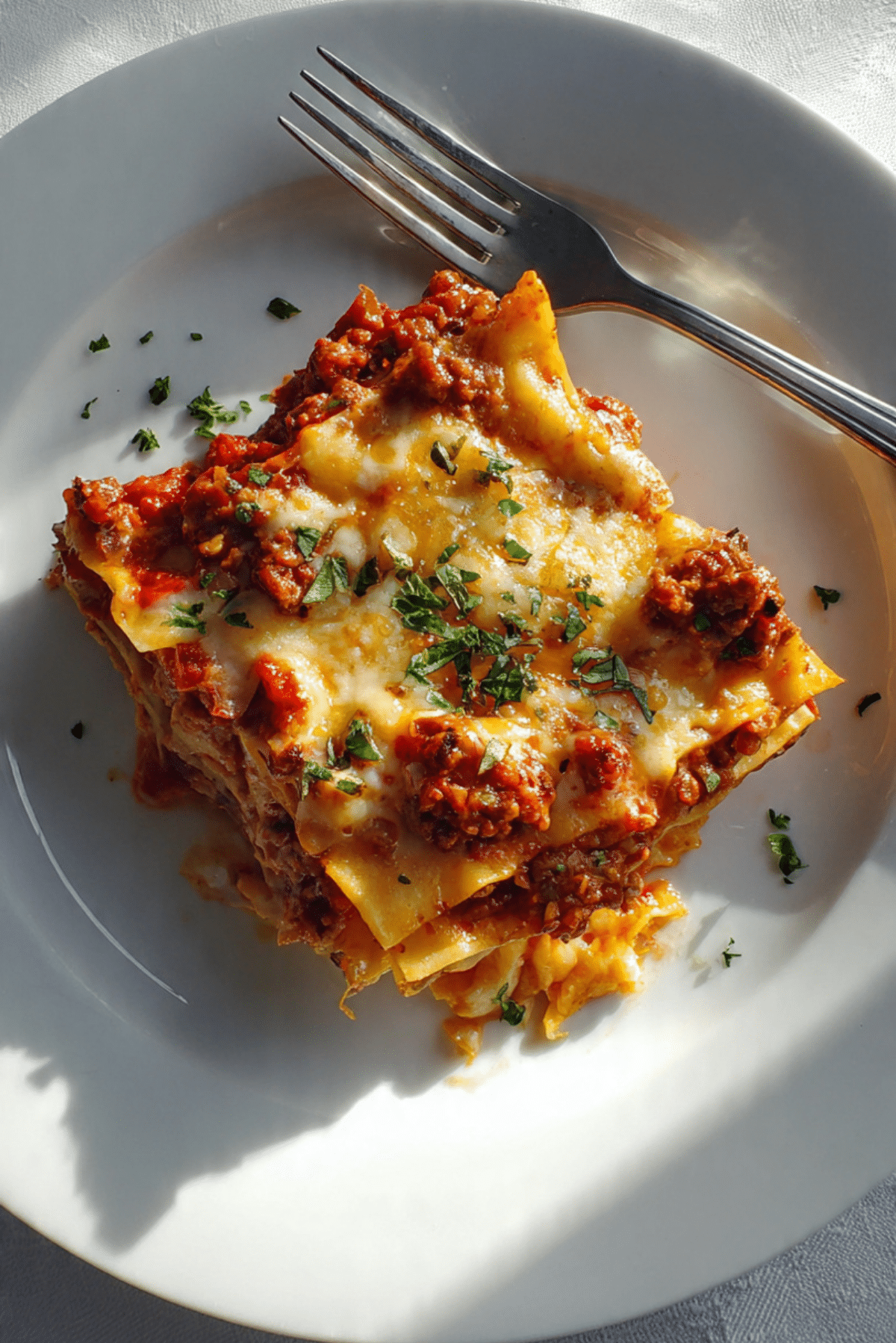
For those navigating the world of gluten-free eating, few comfort foods seem as daunting, yet as deeply missed, as a classic, bubbling pan of lasagna. The good news? The days of sacrificing this hearty, cheesy delight are long gone. Thanks to significant advancements in gluten-free pasta production, crafting a truly authentic and satisfying gluten-free lasagna is not just possible, but surprisingly easy. It tastes so much like the "real thing" that your non-GF friends and family won't even notice the difference!
I remember the first time I enjoyed a truly delicious gluten-free lasagna after my Celiac diagnosis. It was more than just a meal; it was a revelation. Years without that powerful combination of rich meat sauce, creamy cheese, and perfectly tender noodles had left a void, and that first bite felt like a homecoming. It confirmed that living gluten-free didn't mean giving up on life's simple, delicious pleasures. The secret to this culinary triumph, I quickly learned, lies almost entirely in one crucial component: the gluten-free lasagna noodles themselves.
The Game-Changer: Selecting the Right Gluten-Free Lasagna Noodles
The single most important factor in making a spectacular gluten-free lasagna is surprisingly simple: use high-quality gluten-free lasagna noodles. While this might seem obvious now, it wasn't always the case. For many years, finding reliable, tasty GF pasta, let alone specifically lasagna sheets, was a significant challenge. Thankfully, the market has evolved dramatically, offering a fantastic array of options that deliver on texture and taste. But not all GF noodles are created equal, and understanding the differences is key to your success.
Decoding Your Gluten-Free Noodle Options
- Brown Rice Lasagna Noodles: Your Best Bet for Consistency
Many experienced gluten-free cooks, myself included, will enthusiastically recommend brown rice lasagna noodles for the most consistent and satisfying results. Brands like Jovial have perfected the art of brown rice pasta, offering sheets that hold their shape, absorb flavor beautifully, and deliver that ideal al dente chew. The key with these is typically a parboiling step before layering, which ensures they cook through evenly during baking without becoming mushy or hard. This extra step is well worth the effort for the superior texture it provides. - No-Boil/Oven-Ready Gluten-Free Lasagna Noodles: The Convenience Factor
Oven-ready gluten-free noodles, such as those offered by Barilla, promise convenience by eliminating the pre-boiling step. For busy weeknights, these can be a tempting shortcut. However, their performance can sometimes be inconsistent. While some batches might bake up perfectly tender, others can result in patchy textures – some parts soft, others stubbornly firm. If you opt for no-boil noodles, ensure your sauce is adequately moist to hydrate them fully, and don't be afraid to add a little extra liquid to your recipe. Covering your lasagna tightly during the initial baking phase is also crucial to create a steamy environment that helps the noodles soften. - Fresh Gluten-Free Lasagna Sheets: A Gourmet Touch
For a truly special occasion, some artisanal producers and even home cooks offer fresh gluten-free lasagna sheets. These often have a more delicate texture and can absorb flavors beautifully. If you find them, they can elevate your lasagna to a gourmet level, though they usually require a slightly different cooking approach, often a very brief blanching before layering.
Ultimately, your choice will depend on your personal preference for texture and your willingness to put in a little extra prep time. For a consistently perfect, restaurant-quality GF lasagna, brown rice noodles are usually the champions.
Mastering Gluten-Free Lasagna Noodle Preparation
Once you've selected your preferred gluten-free lasagna noodles, proper preparation is paramount. This isn't just about cooking; it's about setting the stage for a lasagna that holds together beautifully and offers an incredible eating experience.
Parboiling Brown Rice Noodles for Perfection
If you're using brown rice lasagna noodles, the parboiling step is your secret weapon. Don't skip it!
- Boil with Care: Bring a large pot of generously salted water to a rolling boil. Carefully add your gluten-free lasagna noodles, ensuring they don't stick together.
- Cook Al Dente (Partially): Cook the noodles just until they are pliable but still quite firm – what we call "al dente" or partially cooked. They will continue to cook in the oven, so you don't want them fully tender at this stage. This usually takes about 5-7 minutes, but always follow package directions.
- Drain and Rinse: Promptly drain the noodles in a colander. Immediately rinse them thoroughly under cold water. This stops the cooking process and, crucially, removes excess starch, preventing them from sticking together.
- Prevent Sticking: This is a critical step! Lay the rinsed noodles flat on baking sheets, separating each noodle with a piece of plastic wrap or parchment paper. This might seem tedious, but it prevents them from becoming a single, inseparable blob. Set them aside while you prepare your other ingredients.
Tips for Using Oven-Ready Gluten-Free Noodles
If convenience leads you to oven-ready gluten-free noodles, here are some tips to mitigate their potential inconsistencies:
- Hydration is Key: Ensure your meat sauce and ricotta mixture are sufficiently moist. The noodles rely on this moisture to soften during baking. Don't let your lasagna layers be too dry.
- Pre-Soak (Optional, but Recommended): Some cooks find success by briefly soaking oven-ready noodles in very hot water for 10-15 minutes before layering, especially if they've had issues with hard spots in the past. Drain them thoroughly after soaking.
- Cover Tightly: Always cover your lasagna pan tightly with foil for at least the first two-thirds of the baking time. This traps steam, creating a humid environment that helps the noodles cook evenly.
- Don't Overcrowd: Give the noodles room to expand. Don't pack the layers too tightly, and choose a baking dish that accommodates the ingredients comfortably.
Beyond the Noodles: Crafting Your Gluten-Free Lasagna Masterpiece
While noodles are undeniably the foundation, the rest of your ingredients play a vital role in creating a truly memorable gluten-free lasagna. Every layer contributes to that perfect harmony of flavor and texture.
Building Layers for Flavor and Texture
A classic lasagna assembly involves three main components: a rich meat sauce, a creamy ricotta cheese mixture, and, of course, your prepared noodles. To make a truly hearty & cheesy gluten-free lasagna with everyday ingredients, focus on quality ingredients and thoughtful layering.
- The Meat Sauce: Start with a robust meat sauce. Brown ground beef, Italian sausage, or a combination, then simmer it with your favorite jarred marinara or spaghetti sauce. Allow it to simmer for a good while to deepen the flavors.
- The Ricotta Mixture: Combine ricotta cheese with grated Parmesan, an egg (for binding), and fresh herbs like parsley or oregano. You can even add a pinch of nutmeg for an authentic Italian touch. Transferring this mixture to a gallon-size Ziplock bag with the corner snipped off can make layering incredibly neat and easy.
- The Cheeses: Beyond the ricotta, a generous sprinkle of shredded mozzarella cheese between layers and on top ensures that gooey, melty goodness everyone loves.
Layering typically goes: sauce, noodles, ricotta, mozzarella, repeat. Finish with a generous layer of sauce and mozzarella. Cover with foil and bake until bubbly, then remove the foil to allow the cheese to brown and crisp up beautifully.
Troubleshooting Common Gluten-Free Lasagna Challenges
Even with the best intentions, a few common issues can arise. Here’s how to tackle them:
Hard or Undercooked Noodles?
This is often the most frustrating issue. It usually stems from insufficient moisture, improper parboiling (if applicable), or not enough time covered in the oven. To fix this, ensure your sauce is moist, consider a brief pre-soak for oven-ready noodles, and always bake covered for at least 30-45 minutes to allow steam to penetrate and soften the noodles.
Mushy Noodles?
Conversely, if your noodles are too soft or mushy, you might have over-parboiled them initially, or there was too much liquid in your sauce. For parboiled noodles, cook them only to the al dente stage. For oven-ready, ensure your sauce isn't overly watery; a thicker sauce helps maintain noodle integrity.
Lasagna Falling Apart?
If your lasagna collapses when cut, it could be due to too much liquid, not enough binding agent (like egg in the ricotta), or simply cutting it too soon. Allow your lasagna to rest for at least 15-20 minutes after baking before slicing. This allows the layers to set and the cheese to firm up, resulting in cleaner, more stable slices.
Embracing a gluten-free lifestyle doesn't mean saying goodbye to your favorite comfort foods. With the right gluten-free lasagna noodles and a few tried-and-true techniques, you can create a classic comfort dish that brings joy and satisfaction to every bite. So go ahead, don your apron, gather your ingredients, and prepare to indulge in a perfect gluten-free lasagna every single time. It's a culinary journey worth taking, leading to delicious, hearty, and cheesy rewards that prove living gluten-free truly is going to be OK.
